Utilizing Certified Success
Uncover the Crucial Functions Provided by a CG Contractor for Your Next Project
In the construction industry, a commercial general contractor plays a pivotal role in ensuring project success. Their support covers extensive project management, financial planning, and organizing different groups. This expertise does more than smooth execution but also handles regulatory adherence and guaranteed quality - Hickory top rated Commercial General Contractor. Understanding these essential services can notably impact the result of your build. What specific benefits can a construction manager provide for next construction job?
Thorough Project Oversight
Detailed project administration is necessary for the effective delivery of building initiatives. It involves a systematic method that covers planning, coordination, and control of a project from inception to completion. A GC plays a pivotal role in this process, ensuring that all aspects of the project match up with the client's vision and compliance mandates.
Successful project oversight includes defining project scopes, timelines, and expected outcomes while ensuring open dialogue among team members. The contractor manages sub-trades, oversees assets, and ensures high standards to make sure the build conforms to defined requirements. Furthermore, a comprehensive management plan incorporates risk management strategies to identify potential challenges early and create solutions.
Finally, good project control encourages cooperation, simplifies operations, and increases the chance of delivering a project on time and within the specified guidelines, thus increasing client satisfaction and a good result.
Budget Oversight and Expenditure Control
Successful project oversight naturally leads to the need for stringent budgeting and expenditure management. A construction manager plays a pivotal role in creating the monetary plan for a project. This requires detailed cost estimation based on project specifications, labor, materials, and tools. By recognizing budget threats in advance, the contractor can execute methods to address these problems, ensuring that the project stays on target financially.
In addition, ongoing tracking of spending throughout the project lifecycle is critical. The general contractor employs various techniques to track costs against the budget, facilitating timely changes if required. This disciplined process does more than just prevent budget excesses but also improves fiscal responsibility among all stakeholders. Ultimately, effective budgeting and cost control promote financial transparency, which permits educated choices and proper resource deployment, a factor essential for the successful delivery of any building endeavor.
Managing Subcontractors and Suppliers

While managing a construction project, the coordination of subcontractors and suppliers is vital for keeping the workflow efficient and hitting target dates. A commercial general contractor is instrumental in orchestrating these relationships, making sure every party is in sync with the timeline and expected outcomes. Effective communication among subcontractors, suppliers, and the general contractor is crucial for reducing delays and prevent costly misunderstandings.
The GC handles the sequencing of subcontractor work sequences, which helps to streamline operations and maximize resource deployment. In addition, the contractor handles sourcing supplies from suppliers, guaranteeing resources are supplied according to the schedule and budget. Through the management of these key relationships, the contractor can rapidly handle any arising complications, leading to a more seamless construction process. In the end, this concerted effort does more than just boost project efficiency but also ensures the ultimate success of the construction endeavor, ensuring that all components come together seamlessly.
Meeting Building Codes and Regulatory Standards
Ensuring compliance with building codes and regulations is a fundamental responsibility of a commercial general contractor, since not following these rules may result in major legal and financial penalties. A commercial general contractor needs to have comprehensive knowledge of federal, state, and local laws that pertain to construction work. Their specialized skill permits them to manage complicated regulatory systems, ensuring that all aspects of the project—from design to execution—comply with necessary standards.
Additionally, contractors often work closely with regulatory bodies, engineers, and architects to confirm that specifications and plans meet code standards. By performing frequent checks and evaluations, they can identify potential compliance issues early, lessening risk and averting costly postponements. In the end, a firm dedication to following regulations preserves the contractor's reputation but also protects the interests of clients, guaranteeing successful project completion and without unnecessary complications.
Managing Project Quality and Site Safety
Quality assurance and safety oversight are essential elements of a commercial general contractor's role, which directly affects the integrity and success of construction projects. Such practices make certain that all work satisfies required criteria
A professional builder maintains comprehensive inspection processes to confirm that materials and workmanship comply with project specifications - Hickory top rated Commercial General Contractor. Scheduled site assessments are conducted to identify potential hazards and enforce safety protocols among workers. This forward-thinking strategy not only protects personnel but also prevents costly delays and rework resulting from safety incidents or quality issues
Furthermore, effective communication between the contractor, subcontractors, and suppliers is crucial for keeping standards high throughout the project lifecycle. By prioritizing quality assurance and safety oversight, a commercial general contractor cultivates responsibility, ultimately contributing to the successful completion of projects on time and cost-effectively
FAQs
What Kinds of Projects Can a Commercial General Contractor Manage?
A commercial general contractor can handle various projects, including corporate offices, retail spaces, warehouses, industrial facilities, renovations, and new constructions. They oversee the whole operation, ensuring quality, compliance, and punctual finishing of each project.
How Do I Choose the Right Commercial General Contractor?
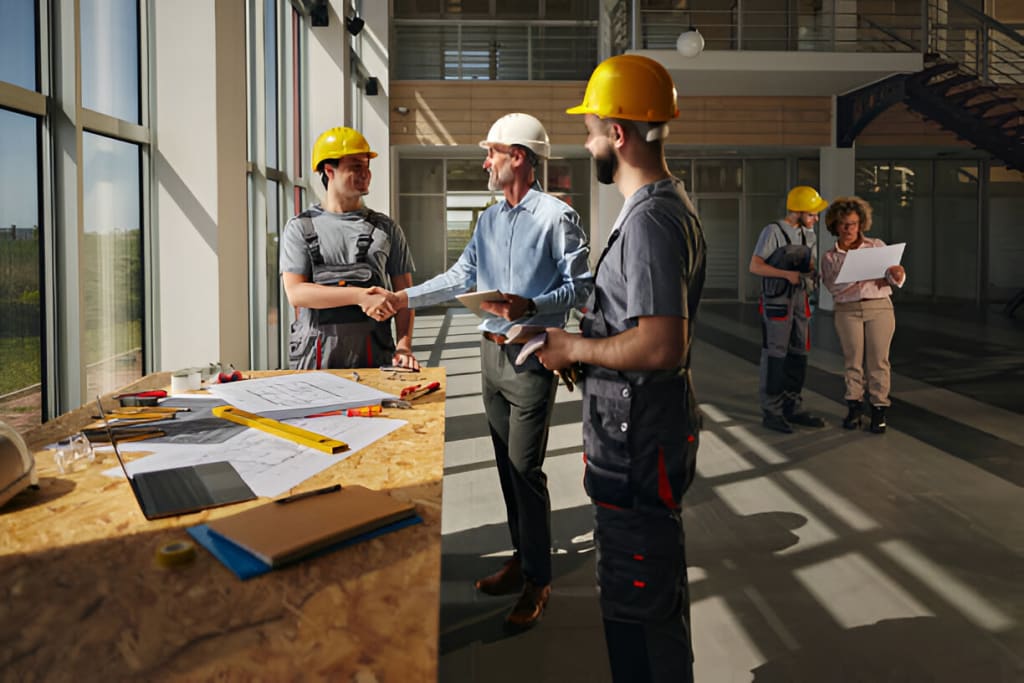
To select the ideal commercial general contractor, one should evaluate their experience, check references, gauge their financial health, look at their completed jobs, and demand transparent communication. A detailed choosing method can lead to successful visit this page project outcomes.
What Should I Expect During the Initial Consultation?
During the initial consultation, clients can expect discussions about desired outcomes, timelines, cost projections, and the contractor's abilities. This meeting acts as a basis for establishing mutual understanding and matching expectations between the client and contractor.
In What Way Do Contractors Control Project Timelines Effectively?
Contractors efficiently handle project timelines by utilizing detailed planning, defining key checkpoints, managing timetables, and ensuring constant contact with all stakeholders. They also reallocate resources as required to guarantee timely project completion and minimize potential setbacks.
Why Hire a General Contractor Versus DIY?
Retaining a general contractor delivers expertise, managing the entire project, and the availability of a network of qualified experts. This guarantees quality work, timely completion, and following building codes, which significantly lowers the burden and expensive errors when measured against doing it yourself.